

Landmark Verdict Against Meta Signals Growing Legal Pressure Over Social Media Addiction and Youth Mental Health
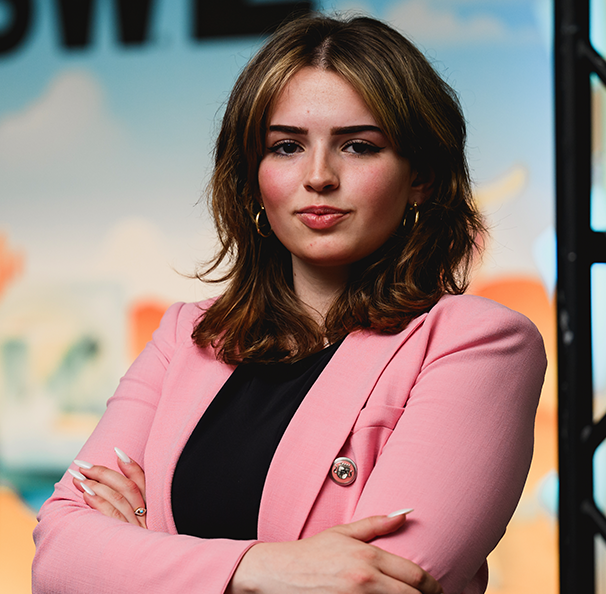

Steve Rosenbaum, Executive Director SMC

SMC Logo
New Mexico ruling adds momentum to wave of lawsuits targeting platform design, algorithmic amplification, and harms to teens, as cases against social media
For years, questions about social media harm have lived in research papers, congressional hearings, and the lived experiences of families. This case brought those questions into a courtroom, where evidence, testimony, and internal documents forced a more direct examination of how platform design influences real-world outcomes.
The Sustainable Media Center (SMC), a nonprofit focused on building a healthier, more accountable digital ecosystem, issued the following statement: “For years, Meta has argued that they are a neutral tool,” said Steven Rosenbaum, Executive Director of SMC. “What this case makes clear is when systems are built to maximize engagement without regard for consequences, harm is not an accident. It’s a byproduct. Today’s decision begins to shift that understanding into accountability.”
Rosenbaum added that the implications of the case extend far beyond a single verdict, pointing to a broader shift in how courts, policymakers, and the public are beginning to understand the role of product design, algorithmic amplification, and behavioral engineering in shaping user experience.
“Meta executives knew their products harmed children, disregarded warnings from their own employees, and lied to the public about what they knew. Today the jury joined families, educators, and child safety experts in saying enough is enough,” New Mexico Attorney General Raúl Torrez said in a statement Tuesday.
“This is not just about content,” Rosenbaum said. “It’s about systems. It’s about design choices that influence attention, emotion, and behavior at scale. That’s where accountability has to live going forward.”
SMC emphasized that young people have been at the center of this conversation from the beginning, not as observers, but as those most directly affected by the systems now under scrutiny.
“Gen Z has been living inside these systems, not studying them from the outside,” said Emma Lembke, Director of Gen Z Advocacy at SMC. “Young people have been saying for a long time that these platforms shape how we see ourselves, how we relate to each other, and how we feel. This moment reflects a growing recognition that those impacts are real and that they deserve to be taken seriously.”
Lembke added that the verdict reflects a shift not just in legal thinking, but in cultural awareness.
“There is a growing understanding that connection should not come at the cost of well-being,” she said. “And that the people most affected by these systems deserve a voice in how they are built and governed.”
When the New Mexico trial’s second phase, conducted without a jury, commences on May 4, a judge will determine whether Meta created a public nuisance and should fund public programs intended to address the alleged harms.
This case reflects a growing surge of legal challenges against Meta and other social media companies over the risks their platforms pose to young users. In New Mexico, a jury has already delivered a verdict, while in Los Angeles a separate case is still underway, with jurors weighing claims that Meta and YouTube knowingly built features designed to hook users, contributing to a young woman’s mental health struggles. Beyond these cases, the companies are confronting hundreds of similar lawsuits brought by individuals, school systems, and state attorneys general, with more trials expected in the months ahead.
SMC emphasized that while the verdict represents a significant milestone, it is not the end of the work ahead. “A single case cannot fix a broken system,” said Lembke. “But it can change expectations. It can change what people are willing to question, and what companies are expected to answer for.”
Rosenbaum noted that the next phase will require sustained attention across multiple fronts, including product design, regulation, and public awareness.
“We are entering a new phase,” he said. “One where transparency, accountability, and responsibility are no longer optional. The question now is whether platforms will lead that change, or continue to resist it until they are forced to.”
He added that the broader goal is not simply accountability, but transformation.
“This is about building something better,” Rosenbaum said. “A digital ecosystem that supports connection without causing harm. A system where truth, safety, and well-being are not afterthoughts, but core design principles.”
MEDIA AVAILABILITY:
Emma Lembke, Director of GenZ Advocacy, The Sustainable Media Center
Steven Rosenbaum, Executive Director, The Sustainable Media Center
Both are available to to provide media analysis, and commentary for commentary.
Contact us at Press [at] SustainableMedia.Center to schedule interviews or appearances.
VIDEO CLIPS FOR PUBLIC USE: https://www.youtube.com/playlist?list=PL5ootZZ9Uh2aDmktggKQZw-_WJlzd8UU7
CASE #: State of New Mexico ex rel. Raúl Torrez v. Meta Platforms, Inc., et al. (Case No. 1:23-cv-01115-MIS-KK)
CONTACT: New Mexico attorney general Raúl Torrez, New Mexico Dept of Justicce, Santa Fe Office, 408 Galisteo Street Villagra Building Santa Fe, NM 87501 (505) 490-4060
Case Details:
About the Sustainable Media Center
The Sustainable Media Center is a intergenerational nonprofit organization working to build a healthier digital ecosystem by advancing accountability, supporting research, and elevating the voices of young people shaping the future of media and technology.
Press
SustainableMedia.Center
Press@sustainablemedia.center
Connection should not come at the cost of well-being," Emma Lembke, Director of GenZ Advocacy
Legal Disclaimer:
EIN Presswire provides this news content "as is" without warranty of any kind. We do not accept any responsibility or liability for the accuracy, content, images, videos, licenses, completeness, legality, or reliability of the information contained in this article. If you have any complaints or copyright issues related to this article, kindly contact the author above.
