

New York’s RAISE Act Signals Rising Expectations for AI Transparency, with Downstream Implications for Education Tools
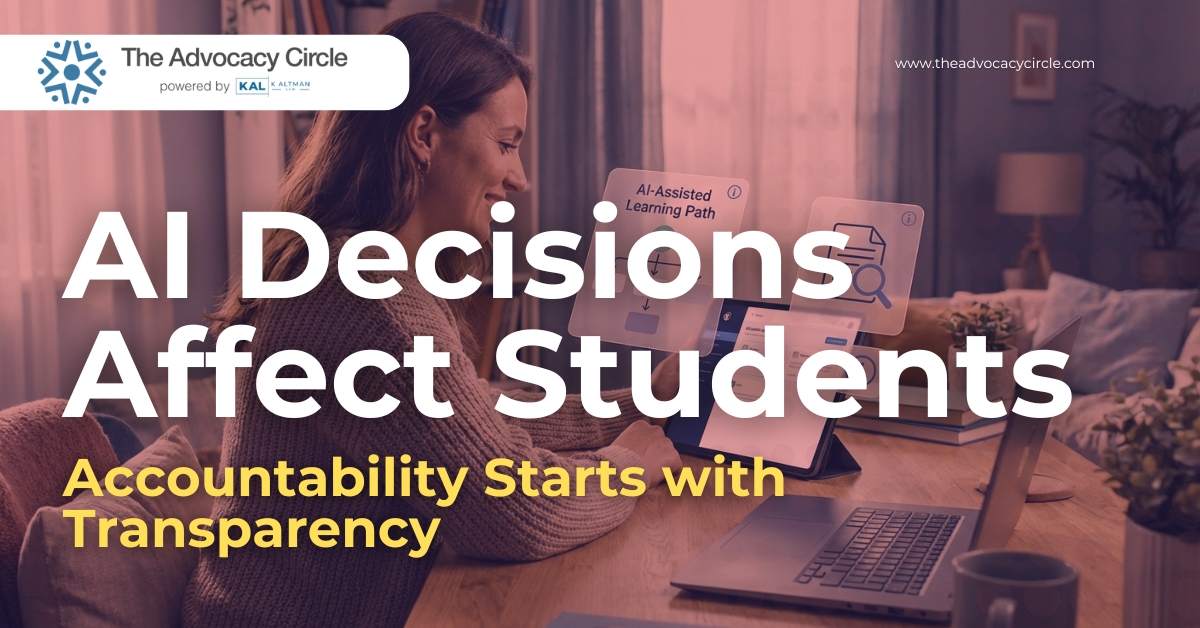
New York’s RAISE Act highlights a growing push for AI transparency—reshaping expectations for education tools used by schools and families.
New York’s RAISE Act raises AI transparency expectations, shaping how education tools explain data use, errors, and accountability.
While the law targets frontier AI developers, the downstream effect for education is practical: vendors and school systems increasingly face questions about safety testing, transparency, and accountable reporting.
As AI features become embedded in education products - tutoring, writing assistance, behavioral analytics - families and schools need clearer explanations of model behavior, data flows, and error-handling.
Even when a law applies to developers rather than schools directly, it can shape procurement expectations, contract clauses, and vendor disclosure norms.
Parents and schools should treat AI-enabled tools like any other high-impact system: request transparency, define acceptable use, and insist on clear escalation paths when outcomes appear wrong or harmful.
“Transparency is not a technical luxury; it’s a practical safety tool. When AI is used in education, families need understandable answers about what the tool does, what data it uses, and what happens when it makes a mistake,” says Dan Rothfeld, COO of The Advocacy Circle.
What can students, families, and schools do now?
• Ask whether an education tool uses AI features and what data inputs it relies on.
• Request vendor documentation on safety testing and incident response.
• Define in writing how AI outputs may be used (and not used) in student evaluation or discipline.
• Ensure contracts include breach notification and support response timelines.
• Keep records of concerning outputs or decisions tied to automated tools.
About The Advocacy Circle
The Advocacy Circle is an education-support platform designed to help families build clarity and structure in school-advocacy workflows, including preparing for meetings, organizing records, and improving written communication.
This press release is for general informational purposes only and is not legal advice. Outcomes depend on the facts of each matter and applicable law, which varies by jurisdiction.
Dan Rothfeld
The Advocacy Circle
+1 947-366-0021
danrothfeld@theadvocacycircle.com
Visit us on social media:
LinkedIn
Instagram
Facebook
Legal Disclaimer:
EIN Presswire provides this news content "as is" without warranty of any kind. We do not accept any responsibility or liability for the accuracy, content, images, videos, licenses, completeness, legality, or reliability of the information contained in this article. If you have any complaints or copyright issues related to this article, kindly contact the author above.
